
Stress and Back Pain: 2.8x Higher Risk and Clinic Proven Treatments


Yes, stress can trigger or worsen back pain, and it does so through a real physical pathway, not just a feeling. Chronic stress tightens muscles, raises inflammatory activity, and makes the nervous system more sensitive to pain signals from the spine. The good news: mind-body therapies, active rehabilitation, and a few honest lifestyle changes address the root cause, not just the ache. We will walk through the mechanism, the evidence, and the exact steps that help.
TL;DR:
Stress increases muscle tension, inflammatory responses, and nerve sensitivity, all of which can directly contribute to back pain and intensify the pain cycle.
Stress-related back pain often shifts location, responds quickly to relaxation or sleep, and lacks the sharp, localized symptoms characteristic of structural injuries.
Psychological factors like anxiety and depression significantly worsen back pain outcomes and should be addressed alongside physical treatments for better recovery.
Mind-body techniques like mindfulness, CBT, and gentle movement routines have strong evidence for reducing stress-related back pain over the long term.
Active rehabilitation, proper ergonomics, and lifestyle adjustments are critical for preventing recurrence and managing stress-induced back pain effectively.
Table of Contents
How Stress Leads to Back Pain: Physiology, Behavior, and the Pain Cycle
What the Research and Clinical Guidance Show About Stress and Low Back Pain
Practical Relief and Management: Self-Care, Mind-Body Techniques, and Active Rehabilitation
How Compassion Chiropractic Approaches Stress-Related Back Pain
The Role of Nutrition and Hydration in Managing Stress and Back Pain
Impact of Psychological Factors Like Anxiety and Depression on Stress-Related Back Pain
Strategies for Long-Term Stress Management to Prevent Recurrence
How Stress Leads to Back Pain: Physiology, Behavior, and the Pain Cycle
Stress and back pain feed each other in a loop that most people never see coming. When you are anxious or overloaded, your body defaults to a guarded posture: shoulders raised, core braced, spine held stiffly instead of moving naturally. That guarding increases mechanical load on the discs, ligaments, and small stabilizing muscles along your back, and held long enough, it becomes its own source of pain.
Underneath that, your hypothalamic-pituitary-adrenal axis (the HPA axis) is releasing cortisol and inflammatory mediators in response to sustained stress. These chemical shifts sensitize nociceptors, the nerve endings that detect tissue irritation, making them fire more readily and interpret ordinary movement as painful. Repeat this cycle over weeks or months and the nervous system itself changes: a process called central sensitization, where the brain and spinal cord amplify pain signals well beyond what the original tissue damage would justify.
Behavior compounds the biology. Stressed people sleep worse, move less, and slump into poor ergonomics at desks or in cars, and each of those habits adds mechanical strain on top of the chemical sensitization already underway.
Guarded, tense posture increases load on spinal stabilizers
Cortisol and inflammatory mediators sensitize nerve endings
Repeated stress and pain episodes can rewire pain processing itself
Poor sleep and reduced activity from stress compound mechanical strain
One clear signal from the research: employees dealing with two or more major work-related stressors reported pain severity scores nearly double those of less-stressed coworkers on a standard scale, according to Mayo Clinic. That gap shows stress load correlates with measurable, self-reported pain intensity, not just a vague sense of tension.
Spotting Stress-Related Back Pain vs. Structural Injury
Stress-related back pain tends to move around. It shows up in the neck and upper back one week, the lower back the next, often tracking closely with how demanding your week has been. It responds to relaxation, stretching, or a good night of sleep faster than you would expect from a true tissue injury, and it rarely comes with the sharp, localized quality of a disc or joint problem.
Structural or injury-related pain behaves differently, and knowing the difference matters for deciding whether to manage it yourself or get it checked.
Focal neurologic symptoms. Numbness, tingling, or weakness that follows a specific pattern down one leg suggests nerve root involvement, not muscular tension.
Progressive weakness. Pain that gets steadily worse instead of fluctuating with stress levels points toward a structural cause.
Loss of bowel or bladder control. This is a medical emergency and requires immediate care, not home management.
Fever or unexplained weight loss alongside back pain. These can signal infection or another systemic issue unrelated to stress.
Unremitting night pain. Pain that wakes you regardless of position and does not ease with rest is a red flag clinicians take seriously.
Duration past six weeks. Harvard Health notes that pain persisting beyond this window, or presenting with any of the above symptoms, warrants professional evaluation rather than continued self-care.
If your pain shifts with your mood, your workload, or your sleep, and none of these red flags apply. Stress is very likely playing a leading role.
What the Research and Clinical Guidance Show About Stress and Low Back Pain
The strongest population-level evidence comes from a nationwide cross-sectional study that found severe stress was associated with roughly a 2.8-fold increase in the odds of chronic low back pain compared with low-stress individuals. That is not a minor correlation. It puts psychological stress in the same conversation as physical risk factors when clinicians assess who is likely to develop persistent back pain.
Guideline bodies have caught up with this evidence. Clinical overviews now recommend exercise therapy, activity as tolerated, and psychological interventions like CBT as first-line treatment, reserving imaging for cases with actual red flags or neurologic deficits, per StatPearls’ clinical guidance. Randomized controlled trials back mindfulness-based stress reduction (MBSR) and CBT specifically, with effects on disability and pain-related distress that persist for up to a year in some trials.
Severe stress correlates with a 2.8-fold higher risk of chronic low back pain
Exercise, CBT, and mindfulness programs carry RCT-level support for chronic and recurrent pain
Occupational studies suggest targeting specific stressors (like work overload) works better than treating “stress” as one undifferentiated category
The limits matter too. Most of this research is observational, meaning it shows association, not proof that stress alone causes pain in every case. Stress measurement tools also vary between studies, which makes exact comparisons tricky. Still, the direction of the evidence is consistent enough that no serious clinician dismisses stress as irrelevant to back pain anymore.
Practical Relief and Management: Self-Care, Mind-Body Techniques, and Active Rehabilitation
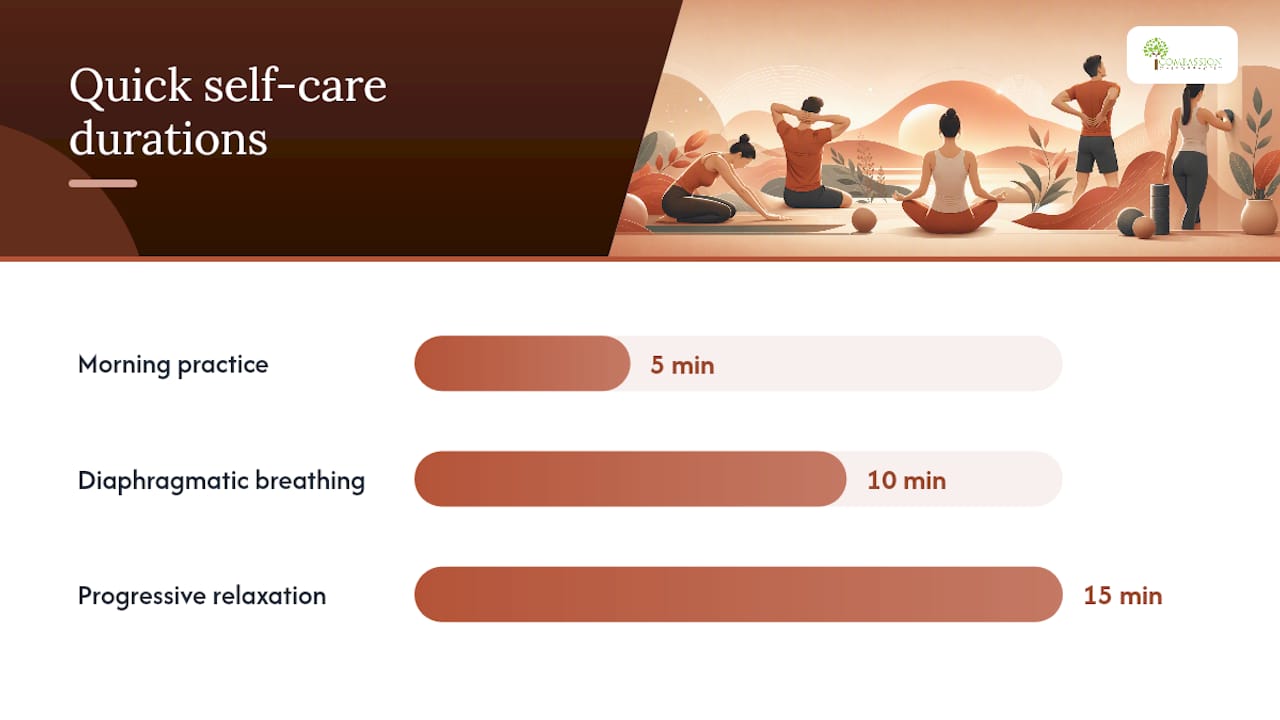
Start with what you can do in the next ten minutes. Diaphragmatic breathing, slow inhales that expand your belly rather than your chest, calms the nervous system and can reduce the muscle guarding that drives tension-related pain. Progressive muscle relaxation, tensing and releasing muscle groups from your feet upward, works similarly and takes about fifteen minutes. Short mobility routines (think gentle cat-cow stretches or walking around the block) interrupt the stiffness cycle before it sets in. Heat tends to help tense, achy muscles; ice suits sharper, more localized flare-ups.
Daily habits do more of the heavy lifting than any single technique. Consistent sleep timing, a workstation set up to support your spine rather than fight it, and pacing activity instead of pushing through pain or collapsing into total rest all reduce the mechanical and chemical load that stress piles on.
Three therapies carry genuine research weight here:
MBSR shows sustained reductions in pain-related disability, with some trial effects lasting up to a year, according to research on mindfulness and chronic pain.
CBT reduces pain intensity and improves function by addressing catastrophizing and low self-efficacy, both of which independently predict worse outcomes according to the IASP fact sheet on the psychology of back pain.
Yoga combines gentle strength work with the same breath-focused calming effect as MBSR, making it a practical entry point for people who want movement and mindfulness in one session.
Guided exercise and physical therapy remain the backbone of long-term recovery. Active rehabilitation, meaning supervised movement, posture correction, and graded mobility work, outperforms passive-only approaches for people with recurring, stress-linked pain. Manual therapies like massage or TENS can help in the short term, particularly for muscle-dominant tension, and a massage therapy resource is worth exploring if soft-tissue work appeals to you as a complement to active care.
A simple home template: five minutes of breathing or relaxation in the morning, a short walk or mobility routine at midday, and a stretching session before bed. Consistency across weeks beats intensity on any single day.
Pro Tip: Pacing beats resting. Total bed rest lets muscles deteriorate and can extend recovery, while short, graded activity goals, even five minutes of walking, keep tissue conditioned and reduce the risk of pain becoming chronic.
When to See a Clinician, and What Happens Next
Book an evaluation if pain has lasted more than six weeks, if it is getting worse rather than better, or if it is limiting daily function like walking, sitting through work, or sleeping.
History and functional questions. A clinician asks about onset, stress levels, sleep, and what makes pain better or worse.
Neurologic exam. Reflexes, strength, and sensation testing rule out nerve involvement.
Imaging only for red flags. X-rays or MRI are reserved for suspected fracture, infection, or progressive neurologic loss, not routine back pain, per StatPearls.
Referral pathways. Depending on findings, you might be routed to physical therapy, a pain specialist, or a mental health referral for CBT if psychological factors are prominent.
Expect an activity-first plan: targeted exercises, not prolonged rest, coordinated with whatever adjunct care fits your case.
How Compassion Chiropractic Approaches Stress-Related Back Pain
At Compassion Chiropractic, we build care around exactly this evidence: assessment first, then a plan that pairs chiropractic adjustments with active rehabilitation and guided stretching. The clinic offers a walk-in model to minimize wait times for an initial visit. You come in, we assess your posture, movement, and pain pattern, and we build a short-term plan on the spot.
Many patients benefit from adjunct therapies alongside adjustments, including relaxation-focused sessions that complement the mind-body strategies covered above. We welcome you to browse patient case studies and outcomes on our site, and we believe every plan should feel collaborative, not prescribed from a script.
The Role of Nutrition and Hydration in Managing Stress and Back Pain
What you eat and drink shapes how your body handles both stress and pain, even though it rarely gets mentioned in the same breath as breathing exercises or stretching. Dehydration reduces disc hydration and elasticity, meaning your spine’s natural shock absorbers work less efficiently when you are chronically under-hydrated. Aim for steady water intake throughout the day rather than catching up all at once in the evening.
Diet influences inflammation, which ties directly back to the cortisol and inflammatory mediator pathway driving stress-related pain. Diets heavy in processed sugar and refined carbohydrates tend to promote low-grade inflammation, while patterns rich in vegetables, lean protein, and omega-3 sources (fatty fish, walnuts, flaxseed) support the body’s natural anti-inflammatory processes.

Caffeine and alcohol deserve a mention too. Both can worsen sleep quality, and poor sleep is one of the clearest behavioral links between stress and worsened back pain covered earlier. Cutting back on late-day caffeine or heavy evening drinking often improves sleep depth within days, which in turn reduces next-day muscle tension.
None of this replaces movement or mind-body work, but it removes friction from your recovery. A well-hydrated, well-nourished body simply tolerates stress, and the physical strain it causes, more gracefully than one running on empty.
Impact of Psychological Factors Like Anxiety and Depression on Stress-Related Back Pain
Anxiety and depression do not just accompany back pain, they actively worsen it. Pain catastrophizing, the tendency to expect the worst outcome from pain, predicts poorer recovery and higher disability regardless of the original tissue finding, according to the IASP fact sheet. Low self-efficacy, essentially not believing you can manage or improve your own pain, follows a similar pattern.
This matters clinically because it explains why two people with nearly identical scans can have wildly different pain experiences. One person with mild anxiety and strong coping skills may barely notice a minor disc bulge. Another with high anxiety and a tendency to catastrophize can experience the same finding as debilitating.
The relationship runs both directions. Chronic pain itself often triggers or deepens depressive symptoms, particularly when it limits work, exercise, or social activity people previously relied on for stress relief. That creates a secondary loop on top of the muscle-tension cycle described earlier.
Screening for these psychological factors early, rather than after months of frustration, allows clinicians to layer in CBT or a mental health referral alongside physical treatment. Treating the mental and emotional components of pain alongside the physical tissue tends to produce better functional outcomes than treating either alone.
Strategies for Long-Term Stress Management to Prevent Recurrence
Preventing recurrence means treating stress management as ongoing maintenance, not a response to flare-ups. Build a weekly rhythm that includes deliberate downtime, whether that is a daily walk, a consistent bedtime, or a set time each week for whatever genuinely relaxes you.
Occupational research suggests that targeting specific stress types, like work overload or time pressure, works better than treating stress as one vague category to manage. If your stress comes primarily from work deadlines, address that directly through boundaries or workload conversations rather than only leaning on general relaxation techniques.
Movement should stay part of your baseline, not something you return to only after pain resurfaces. Regular, moderate exercise keeps the nervous system’s stress response more regulated over time and maintains the muscular support your spine relies on.
Finally, revisit your sleep and ergonomic setup periodically. Life changes, new jobs, new furniture, new stress sources, and a system that worked a year ago may need adjustment now. Small check-ins prevent small problems from becoming six-week flare-ups.
A Clinician’s Perspective on the Stress-Pain Cycle
We see the same pattern again and again: someone comes in convinced their back pain means something is structurally broken, when the real driver is three months of unmanaged work stress showing up as chronic muscle guarding. That is not a dismissal of their pain, it is real, but it is treatable through a different path than they expected.
One recurring case involves patients who improve fastest not through any single dramatic intervention, but through small, consistent steps: a breathing routine most mornings, a short walk most days, better sleep timing. Progress is rarely linear, and that is normal. What matters is the direction over weeks, not the ache on any single bad day.
— James
How to Get Help From Compassion Chiropractic
If stress has been showing up in your back for weeks and self-care alone is not cutting it, an in-person assessment gives you clarity that guessing never will. This clinic offers a walk-in model built for exactly this situation, with no long wait for a first appointment, just a real evaluation of your posture, movement, and pain pattern followed by a plan you can actually follow.

Your first visit typically includes a history review, a movement assessment, and a discussion of what is realistically driving your pain, stress, mechanics, or both. From there, we build a plan combining chiropractic adjustments, guided stretching, and rehabilitation exercises, with adjunct options like vibroacoustic therapy available for patients who want a relaxation-focused component alongside hands-on care. This approach tends to fit people juggling desk jobs, high-stress schedules, or recurring tension that never quite resolves on its own.
Ready to see what a real assessment looks like? Book your visit online and take the first concrete step toward a plan built around your actual pain pattern.
This article is general information, not a substitute for advice from a qualified doctor. Consult a qualified healthcare professional about your own circumstances before acting on anything here.
Sources
FAQ
Can stress and anxiety cause lower back pain?
Yes. Chronic stress and anxiety increase muscle tension and sensitize the nervous system, and a nationwide study found severe stress was linked to a 2.8-fold higher risk of chronic low back pain.
How do I know if my pain is from stress?
Stress-related pain tends to shift location, track closely with stressful periods, and ease with relaxation or movement, while pain from a structural injury is usually more localized, progressive, or accompanied by neurologic symptoms like numbness or weakness.
How can I relieve stress in my back?
Diaphragmatic breathing, progressive muscle relaxation, short daily mobility routines, and evidence-backed programs like MBSR or CBT all reduce stress-related muscle tension; pairing these with active rehabilitation, available through providers like Compassion Chiropractic, addresses both the mechanical and psychological sides of the problem.
Can stress and anxiety cause upper back pain?
Yes. The same guarded-posture and muscle-tension pattern that affects the lower back frequently shows up between the shoulder blades and neck, especially in people who hold tension in their shoulders during stressful periods.
Recommended
Comments